Rojda Home

Category

Culture & Traditions

18 articles

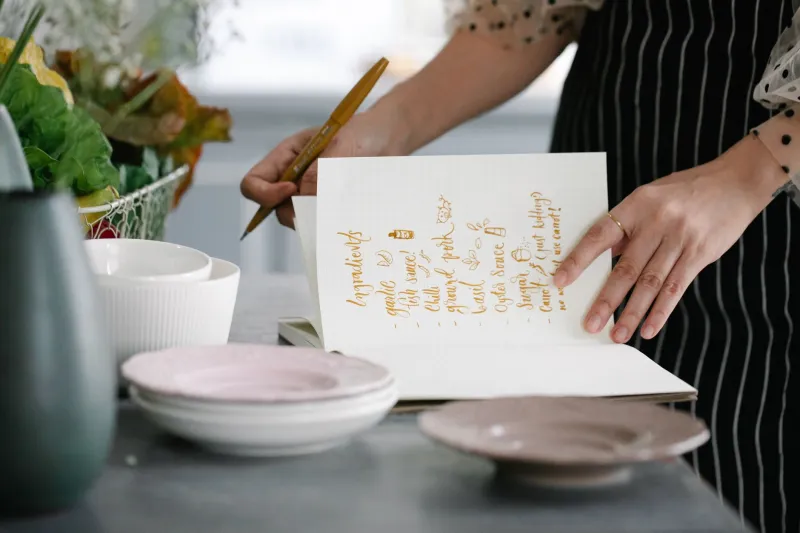
The Recipe as Relic: Kurdish-American Food Writers Are Turning Grandmothers' Kitchens Into Living Archives

The Recipe as Relic: Kurdish-American Food Writers Are Turning Grandmothers' Kitchens Into Living Archives

A new cohort of Kurdish-American writers, podcasters, and digital storytellers is doing something quietly revolutionary: treating family recipes not as culinary instructions but as primary historical sources. In their hands, a handwritten card for kubba soup becomes a document of displacement, and the memory of a spice market in Duhok becomes an act of cultural testimony. This is the story of how food writing is becoming one of the diaspora's most powerful archival tools.
Whisper Networks and Mother Tongues: The Hidden Classrooms Keeping Kurdish Dialects Alive in America

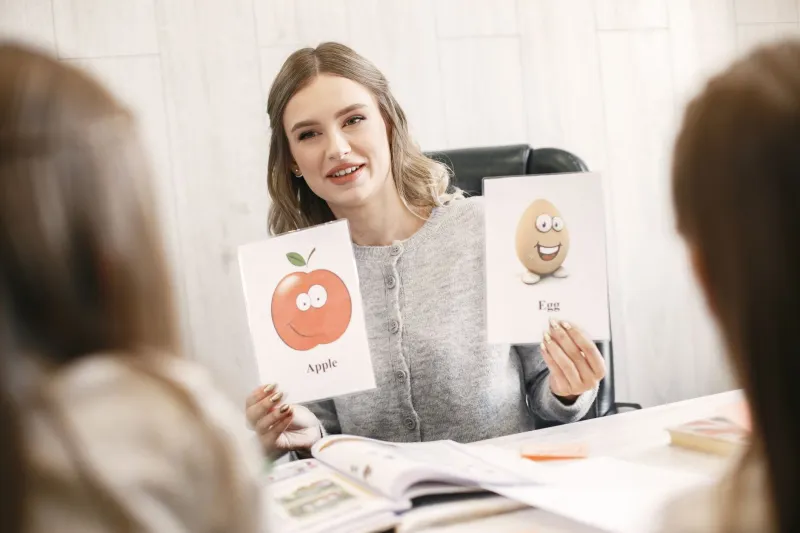
Whisper Networks and Mother Tongues: The Hidden Classrooms Keeping Kurdish Dialects Alive in America

Across the United States, Kurdish-American families are quietly running informal language classes in living rooms, church basements, and encrypted group chats — determined to rescue endangered dialects that no university course teaches and no app can replicate. These grassroots networks operate largely out of sight, driven by a fierce conviction that when a dialect dies, an entire way of seeing the world disappears with it. Rojda spent months speaking with the language keepers at the center of t

Words Without Borders: The Kurdish Concepts That Refuse to Be Translated

Words Without Borders: The Kurdish Concepts That Refuse to Be Translated

Some Kurdish words carry entire worlds inside them — worlds that English, for all its vastness, cannot adequately hold. For Kurdish-American families raising bilingual children, these untranslatable expressions are not merely linguistic curiosities; they are the invisible architecture of identity, belonging, and cultural memory.

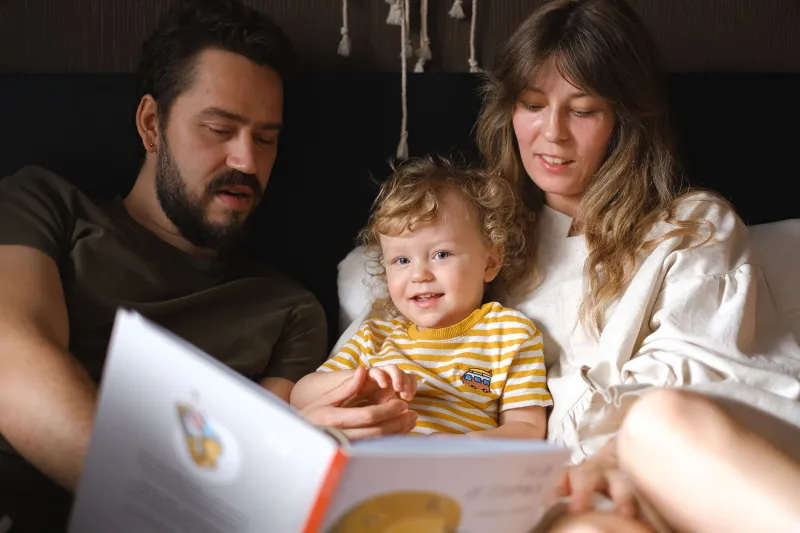
Stories as Shields: How Kurdish-American Families Are Raising Resilient Children Through the Power of Narrative

Stories as Shields: How Kurdish-American Families Are Raising Resilient Children Through the Power of Narrative

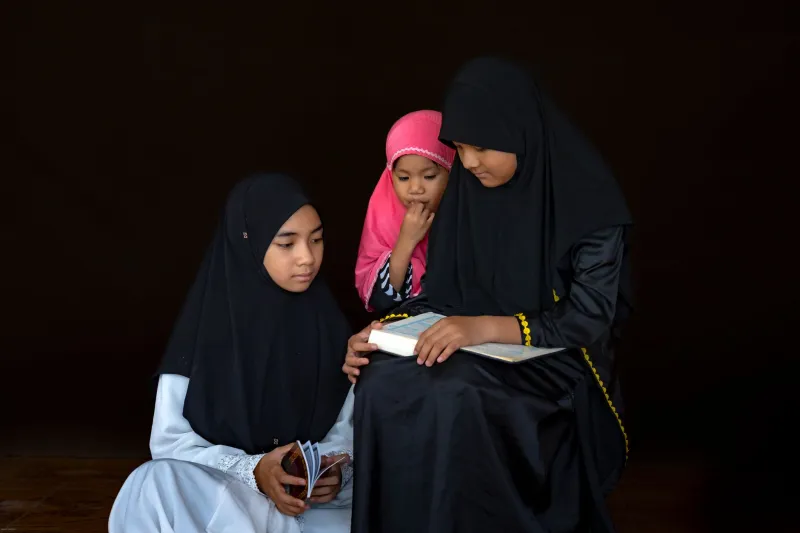
Across Kurdish-American households, parents are doing something quietly radical: turning bedtime stories and family histories into deliberate tools of resistance and identity formation. These narratives — carefully chosen, purposefully told — are shaping how second-generation Kurdish-Americans understand justice, belonging, and the meaning of survival. Rojda examines the storytelling traditions that function not merely as entertainment, but as a form of cultural inheritance and psychological arm

The Quiet Curriculum: What Kurdish-American Grandmothers Teach That No Classroom Ever Could

The Quiet Curriculum: What Kurdish-American Grandmothers Teach That No Classroom Ever Could

Long before formal mentorship programs and cultural competency workshops entered the American mainstream, Kurdish grandmothers were already running their own academy — one conducted in whispered advice, shared meals, and the patient art of watching. Their lessons, unwritten and largely invisible to outsiders, form the connective tissue between two worlds that their grandchildren must learn to inhabit simultaneously.

From the Neighborhood to the Capitol: How Kurdish-Americans Are Forging a New Political Generation

From the Neighborhood to the Capitol: How Kurdish-Americans Are Forging a New Political Generation

Across American cities, Kurdish-Americans are moving beyond cultural advocacy and stepping directly into the machinery of democratic life. From school board races to state legislative campaigns, a new generation of organizers is translating diaspora identity into durable political power. Their work is quietly reshaping what it means to be Kurdish and civically engaged in the United States.

Roots and Remedies: Kurdish-American Herbalists Are Bringing Ancestral Botanical Wisdom Into the American Wellness Conversation

Roots and Remedies: Kurdish-American Herbalists Are Bringing Ancestral Botanical Wisdom Into the American Wellness Conversation

Across the United States, a quiet but determined generation of Kurdish-American practitioners is rescuing centuries-old herbal knowledge from the margins of memory. Drawing on remedies carried across borders and borders of language, these healers are carving out a meaningful space where ancestral wisdom meets contemporary wellness culture — and where cultural identity becomes medicine in its own right.

Walls That Remember: How Kurdish-American Families Are Building Cultural Sanctuaries Inside Their American Homes

Walls That Remember: How Kurdish-American Families Are Building Cultural Sanctuaries Inside Their American Homes

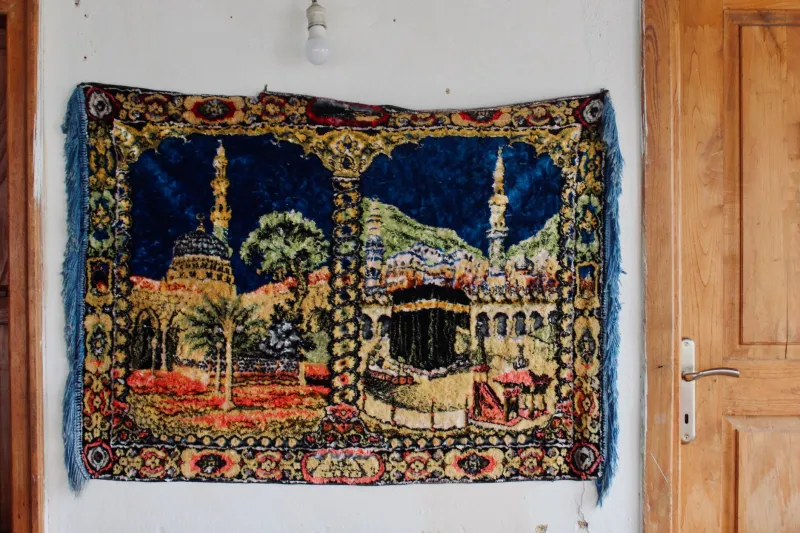
For many Kurdish-American families, decorating a home is far more than an aesthetic exercise — it is an act of cultural preservation, a quiet declaration of identity, and a bridge stretched across thousands of miles. From hand-knotted rugs hung with deliberate intention to photograph arrangements that function almost as genealogical maps, these domestic spaces are being shaped into living archives. Rojda explores how families, designers, and architects are turning the American residence into a p

Commerce as Culture: Kurdish-American Entrepreneurs Who Are Making Heritage a Living

Commerce as Culture: Kurdish-American Entrepreneurs Who Are Making Heritage a Living

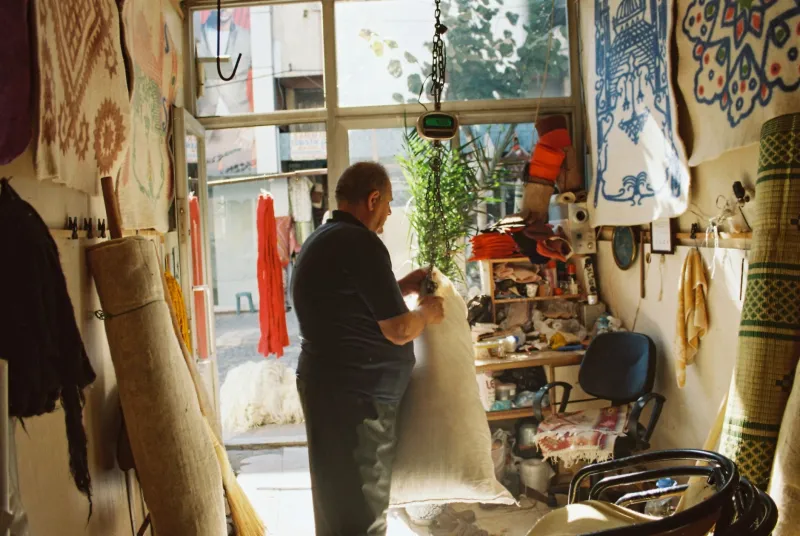
Across the United States, a growing generation of Kurdish-American business owners is transforming cultural knowledge into economic enterprise—importing heirloom spices, selling handwoven textiles, and launching media platforms that speak directly to diaspora communities. Their ventures are doing more than generating revenue; they are redefining what it means to carry a culture forward in a competitive American marketplace.

Something Old, Something New: How Kurdish-American Couples Are Rewriting the Wedding Soundtrack

Something Old, Something New: How Kurdish-American Couples Are Rewriting the Wedding Soundtrack

Across American banquet halls and backyard celebrations, Kurdish-American couples are crafting wedding playlists that weave together ancient dabke rhythms, classical saz melodies, and contemporary pop—producing a soundtrack that speaks to two worlds at once. DJs, live musicians, and wedding planners are finding creative ways to honor the elders on the dance floor while giving younger guests a night that feels genuinely their own. The result is something entirely new, and entirely Kurdish.

Before the Last Voice Fades: Kurdish Americans Race to Preserve the Stories Elders Carry

Across Kurdish-American communities, a quiet emergency is unfolding: the elders who survived displacement, persecution, and the long journey to America are aging, and the stories they carry have never been formally recorded. Community-led projects — armed with digital tools, deep listening, and a fierce sense of purpose — are working to capture those histories before they are lost forever.

Teaching the Homeland: How Kurdish-American Families Pass Down a History That Schools Leave Out

For Kurdish-American parents, educating their children about Kurdistan — its geography, its politics, and its ongoing struggles — falls almost entirely outside the walls of mainstream American schools. From kitchen-table conversations to community center curricula, families are developing their own pedagogical approaches to one of the most emotionally complex tasks in diaspora life: teaching children to love a place they have never been.

Sfiha, Dolma, and the American Table: Kurdish Cuisine Steps Out of the Home Kitchen and Into the Cultural Conversation

Kurdish food — rich with slow-braised meats, herb-fragrant rice dishes, and wood-fired breads — is quietly moving from the private tables of diaspora households into the broader American culinary landscape. Entrepreneurs, home cooks, and content creators are using food as a vehicle not only for commerce, but for cultural storytelling, community building, and intergenerational preservation. As American diners grow increasingly curious about the cuisines of the broader Middle East and Central Asia

Voices That Cross Borders: The Quiet Revival of Kurdish Languages in American Schools

Across the United States, Kurdish families and educators are building something remarkable: a network of language schools, digital tools, and kitchen-table lessons designed to ensure that Kurmanji and Sorani survive in the diaspora. For second-generation Kurdish-Americans, reclaiming their ancestral tongue is becoming an act of identity as much as inheritance.

Qahwah and Kinship: How Kurdish Families Are Keeping the Coffee Ceremony Alive Across America

Qahwah and Kinship: How Kurdish Families Are Keeping the Coffee Ceremony Alive Across America

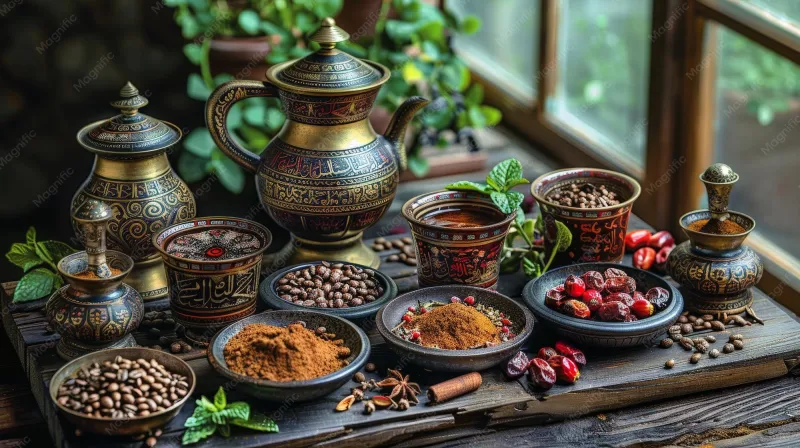
In living rooms from Nashville to San Diego, Kurdish-American families are gathering around the ancient ritual of qahwah, transforming ordinary Friday evenings into sacred acts of cultural preservation. The Kurdish coffee ceremony is far more than a beverage tradition — it is a living archive of identity, memory, and belonging. Rojda explores how this cherished practice is finding new roots in American soil without losing the depth of its origins.